

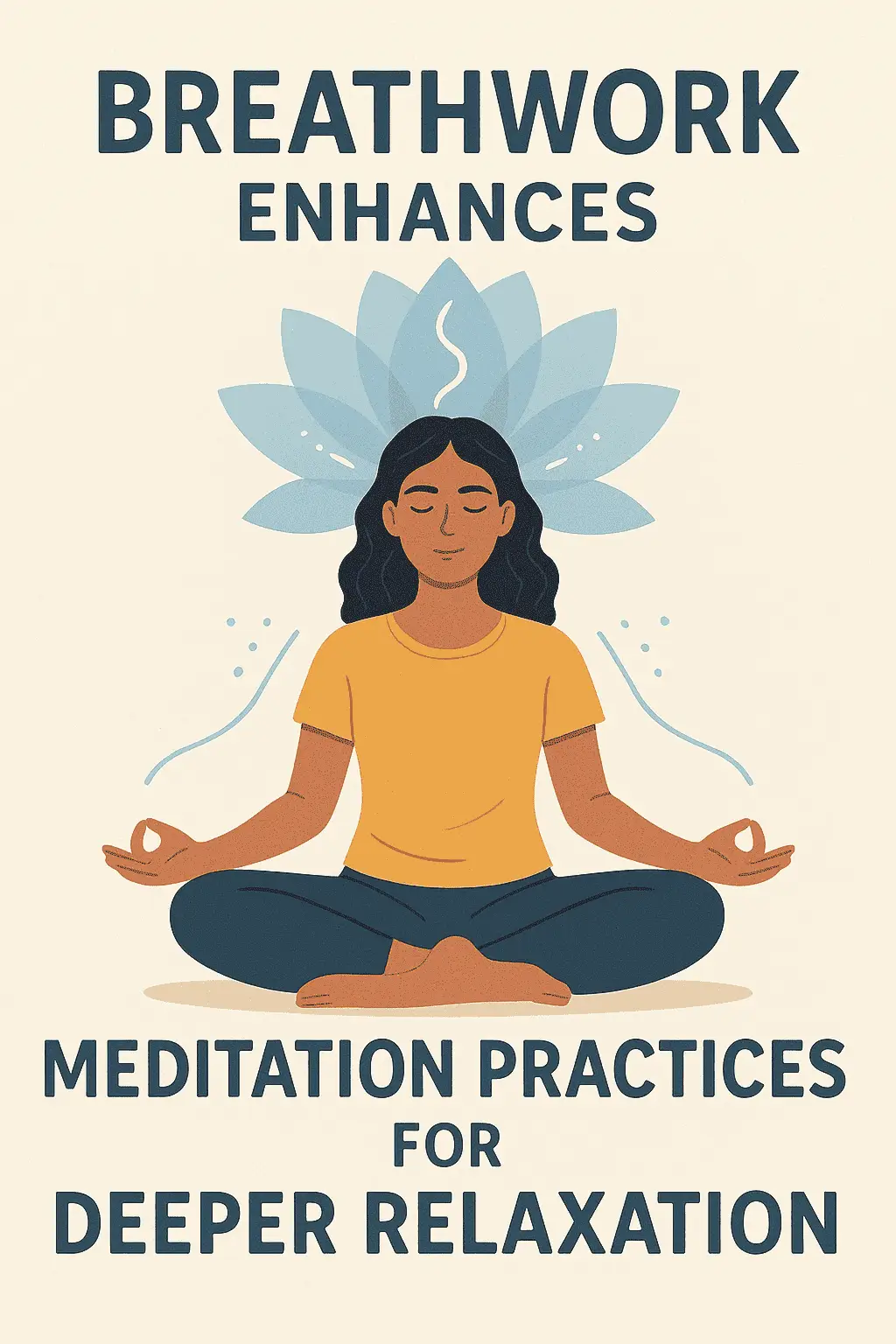
Breathwork and meditation are gaining popularity as effective ways to relax, reduce stress, and enhance emotional well-being. Along with these practices, tapping (also called Emotional Freedom Technique or EFT) has been introduced as a helpful method to release stuck emotions and bring balance to the body’s energy.
Tapping involves gently tapping on certain points of the body while focusing on difficult emotions. When combined with breathwork and meditation, tapping can make the experience even more powerful by helping you relax deeply, release negative emotions, and feel more aware and present. Using these techniques together can greatly improve your meditation practice and support your overall emotional and mental well-being.
The Science Behind Breathwork and Meditation
Guided meditation and breathwork work well together to help you relax and focus. Breathwork helps your body’s “rest and digest” system, slowing down your heart rate and lowering your blood pressure, which makes you feel calm. Guided meditation helps relax your mind by giving you simple steps to follow, making it easier to let go of stress and focus. When you combine the two, they support each other deep breathing helps you relax more during guided meditation. This makes it easier to clear your mind, release tension, and feel better overall. Together, breathwork and guided meditation create a simple way to relax both your body and mind.
What Is Tapping and How Does It Work?
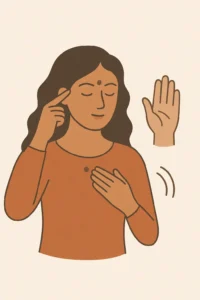
Tapping, or Emotional Freedom Technique (EFT), involves gently tapping on specific acupressure points along the body’s energy meridians while focusing on emotional issues or stress. This process helps to release emotional blockages and balance the body’s energy flow, leading to a reduction in stress and a sense of emotional relief. Tapping works by addressing unresolved emotions that may contribute to anxiety or tension. When combined with breathwork, both practices complement each other by calming the nervous system and releasing mental and emotional tension. Together, they create a holistic relaxation experience, enhancing emotional healing and mental clarity.
Benefits of Combining Breathwork, Meditation, and Tapping
1. Deeper Physical Relaxation
Combining breathwork, meditation, and tapping provides deeper physical relaxation by working together to calm the body and release tension. Focused breathing activates the parasympathetic nervous system, helping to reduce the fight-or-flight response, lower heart rate, and relax the body. This deep, mindful breathing encourages physical ease by allowing the body to shift into a state of calm. Tapping complements this by targeting specific acupressure points, releasing stored tension and promoting energy flow, which further reduces physical tightness. Together, breathwork and tapping work synergistically to enhance relaxation, leaving both the body and mind feeling deeply at ease.
2. Enhanced Emotional Regulation
Breathwork and tapping work together to enhance emotional regulation by calming and releasing stored stress. Breathwork helps soothe overwhelming emotions by promoting deep, slow breathing that activates the body’s relaxation response, allowing individuals to regain control over intense feelings like anxiety or anger. Tapping further supports emotional regulation by focusing on acupressure points while addressing emotional blockages, helping to process and release stored emotional stress. Together, these practices create a powerful tool for managing emotions, promoting a sense of balance, and enabling individuals to navigate emotional challenges with greater ease.
3. Heightened Awareness and Presence
Breathwork, meditation, and tapping work together to enhance mindfulness and presence. Breathwork brings awareness to the breath, helping to calm the mind and focus on the present moment. Meditation improves awareness by allowing you to observe your thoughts and emotions without judgment. Tapping further supports this by grounding you in the here and now, as focusing on acupressure points while tapping keeps you present with your feelings and emotional challenges. Together, these practices help clear distractions, promote mental clarity, and foster a heightened sense of awareness, allowing you to stay more grounded and present in everyday life.
4. Improved Energy Flow
Combining breathwork, meditation, and tapping helps improve energy flow by unblocking stagnant energy and allowing it to move freely throughout the body. Breathwork activates the body’s energy channels through deep, intentional breathing, while meditation quiets the mind, creating space for smoother energy movement. Tapping targets specific acupressure points to release energy blockages, restoring balance and flow. Additionally, personal offerings, such as affirmations or intentions, enhance this process by channeling positive energy. Focusing on empowering thoughts or setting intentions helps direct energy toward healing, creating a more balanced and positive energy flow throughout the body.
How to Integrate Breathwork, Tapping, and Personal Offerings?
1. Start with a Grounding Breathwork Practice
To begin combining breathwork, tapping, and personal offerings, start with some grounding breathwork to calm your mind. Simple breathing techniques like box breathing—breathing in, holding, breathing out, and holding again for the same amount of time—can help you relax and focus.
Diaphragmatic breathing (or belly breathing) helps you breathe deeply, which calms your body. Alternate nostril breathing can balance your energy and clear your mind. Before you start, it’s helpful to set an intention for your session, such as focusing on healing, reducing stress, or inviting peace. This intention will help guide your practice and keep you focused on your goals during the session.
2. Incorporate Tapping into the Process
To add tapping to your practice, start by identifying any areas where you feel tension or emotional discomfort in your body. This could be physical tightness or feelings like stress or anxiety. Next, gently tap on key points on your body, such as the top of your head, the sides of your eyes, under your nose, and on your collarbone, while taking slow, deep breaths.
As you tap, focus on the tension or emotions you want to let go of. You can also say affirmations, like “I am calm,” or “I release this stress,” to help shift your energy and deepen the effect. Tapping along with deep breathing can help clear blockages and bring a feeling of relief.
3. Use Personal Offerings to Personalize Your Practice
Personal offerings are tools like affirmations, mantras, or visualizations that you can tailor to your own needs and goals during your practice. These offerings help deepen your experience and make it more personal.
For example, you might use an affirmation like, “I am calm and in control,” to remind yourself of your inner strength while you practice breathwork or tapping. Another example could be visualizing a peaceful place, like a calm beach or quiet forest, while tapping and breathing. These personal offerings guide your focus, support your healing, and create a more meaningful and effective practice.
Practical Tips for Consistency and Growth
1. Start Small and Build Gradually
When starting your practice, it’s important to begin with short, manageable sessions, such as 10-15 minutes, so you don’t feel overwhelmed. Focus on learning the basics and building consistency without putting too much pressure on yourself. As you become more comfortable, gradually increase the length and complexity of your practice. This way, you can deepen your understanding of each technique and allow your practice to grow naturally over time, helping you stay motivated and committed.
2. Track Your Progress
Keeping a journal is a great way to track how you’re feeling and notice any changes in your emotional and physical health. After each session, take a few minutes to write down how you feel, what has changed, or if something was difficult. You can also write down affirmations or visualizations that work best for you. This will help you see your progress over time and keep you motivated to continue your practice.
3. Experiment with Different Techniques
Try experimenting with different breathwork exercises, tapping sequences, and personal offerings to see what works best for you. You might enjoy different types of breathing, like deep belly breathing or alternate nostril breathing, or prefer tapping on different points depending on how you’re feeling. Personal offerings, such as affirmations or visualizations, can also vary each day based on your mood or needs. Modify your practice according to your energy levels. and what feels right in the moment, allowing you to keep your routine fresh and suited to your current state.
Conclusion
Combining breathwork, tapping, and meditation can help you feel more relaxed, balanced, and focused. These practices work well together to calm your body, manage emotions, and improve your overall energy.
As you begin, make sure to personalize your practice based on what feels best for you and try to make it a part of your daily routine. The key to achieving real benefits is to maintain consistency. The more you practice, the deeper the relaxation and emotional balance you will experience. Keep going, and let these practices support you in finding peace and well-being.
Breathwork is the key to unlocking a more profound meditation experience, helping you find deeper relaxation, clarity, and inner peace. If you’re ready to enhance your mindfulness practice and bring more balance into your life, I’m here to guide you. Fill out the contact form, and I will be in touch with you.
